Free: 30 calorie-cutting recipes + a 7-day plan → Get the guide





GLP-1 Plus Review: Can It Really Quiet Cravings?

By Matthew & the Natural Healthier You team
You can eat a “good” dinner and still hear the snack cupboard calling an hour later.
That pull can feel unfair.
You know what you planned to do.
You may not even feel hungry.
Yet your mind keeps circling back to chips, cookies, or one more bite.
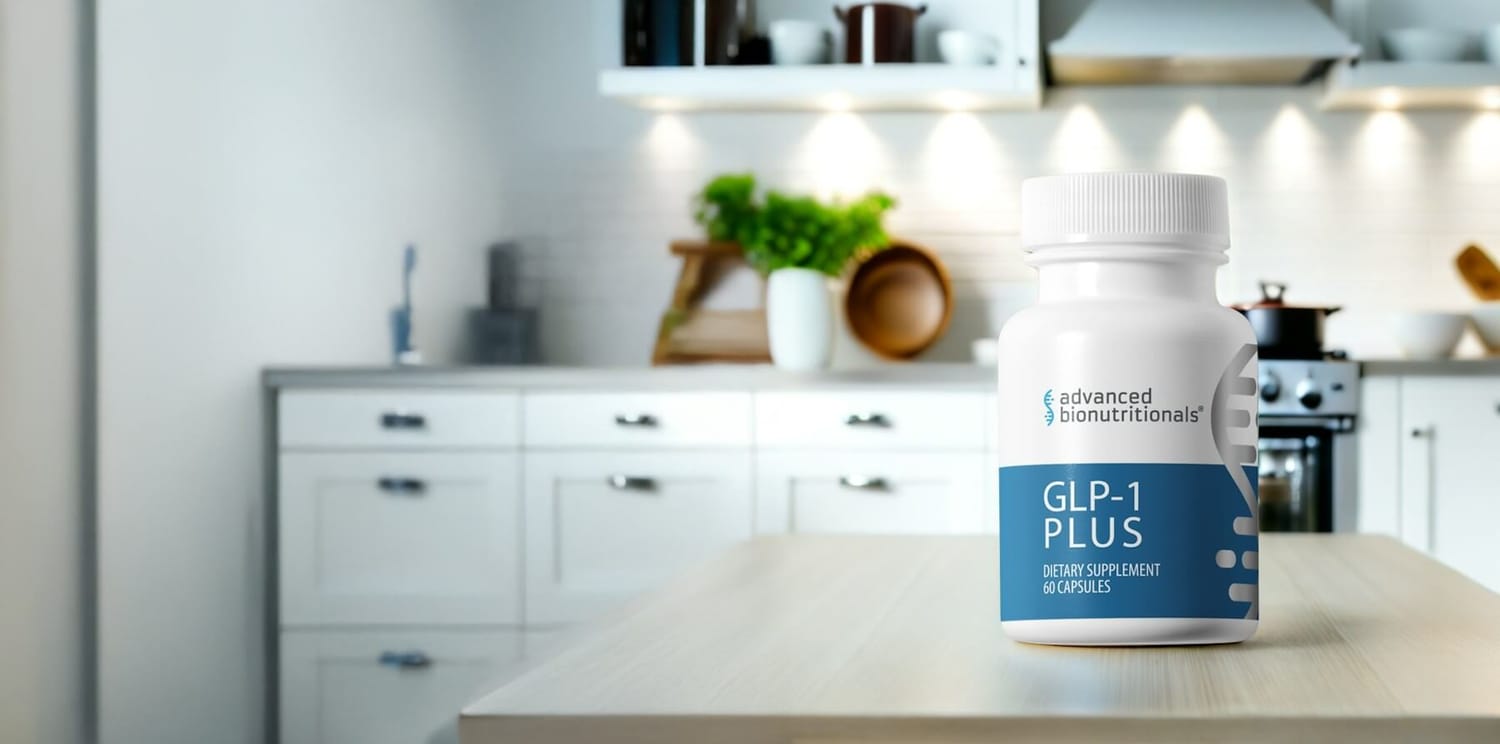
That is the pain behind Advanced BioNutritionals GLP-1 Plus.
The name hints at the same fullness signal targeted by famous weight-loss drugs.
The sales page promises support for cravings, appetite, and a healthy metabolism.
But is the formula strong enough to earn your money?
This Advanced BioNutritionals GLP-1 Plus review looks past the name.
We checked the current label, ingredient studies, price, guarantee, safety issues, and customer feedback.
We also found one detail many other reviews miss: the current bottle lists five active ingredients, not four.
Affiliate disclosure: This review contains affiliate links. If you buy through them, we may earn a commission at no extra cost to you. That does not change how we judge the label, evidence, cost, or risks.
Medical safety note: GLP-1 Plus is a dietary supplement, not a prescription drug. Ask a qualified health professional before using it, especially if you take diabetes medicine, insulin, levothyroxine, a prescription GLP-1 drug, or any regular medicine. Do not use it during pregnancy or breastfeeding. This is a label-and-evidence review, not medical advice.
GLP-1 Plus Review: The Short Verdict
Our verdict: GLP-1 Plus has an interesting, clearly dosed formula—but the product name is stronger than the proof.
There are things to like.
The label gives the dose of each active ingredient.
There is no hidden proprietary blend.
Dihydroberberine may be absorbed better than standard berberine.
Several human studies also give early support to Gymnema sylvestre and grains of paradise.
But there is a big limit: we found no published human trial on the complete GLP-1 Plus formula.
Ingredient research does not prove this bottle will quiet cravings or cause meaningful weight loss. It is also not semaglutide, tirzepatide, or any other GLP-1 receptor agonist.
GLP-1 Plus may be worth a careful look if you are a healthy adult, your clinician approves, and you want modest support—not a medicine-like result. Skip it if you expect fast or major weight loss, need treatment for high blood sugar, or use medicines that could interact with the formula.
What we like
All five active doses are shown on the label.
The formula contains no caffeine on the current label.
Some ingredients have relevant early human research.
A 90-day return promise lowers the financial risk.
Three- and six-bottle orders include free U.S. shipping on the current offer.
What gives us pause
No published clinical trial of the finished formula was found.
It is not a prescription GLP-1 drug or an equal substitute.
One bottle costs $79.95 before any shipping charge.
Several ingredients can interact with medicines.
The official page showed a mixed 3.6 out of 5 rating when checked.
The page’s FAQ says four active ingredients, while the current label lists five.
How we reviewed it
We read the current bottle label and official sales page. We checked the doses against human studies and safety pages from PubMed, NIH, NCCIH, FDA, and ClinicalTrials.gov. We also rechecked the live price, guarantee, review total, and shipping details.
Most important, we kept ingredient research separate from proof of the complete product.
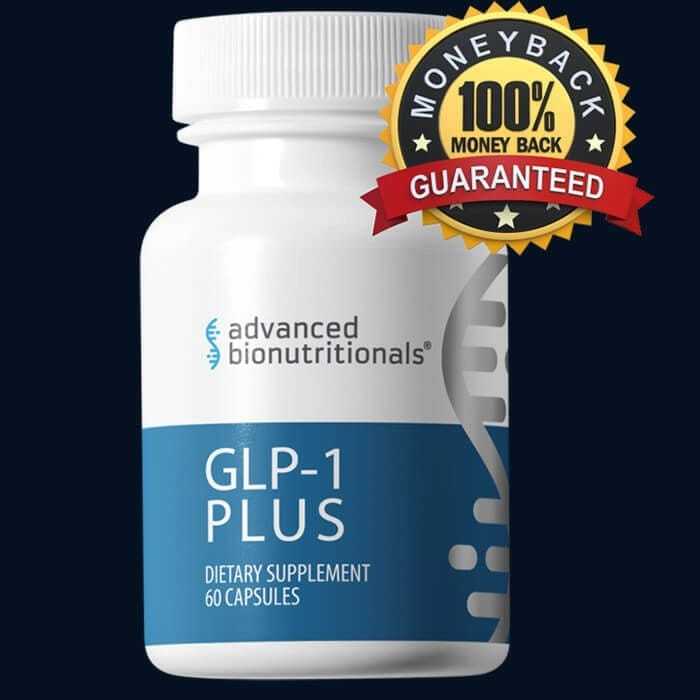
GLP-1 Plus at a Glance
Product facts, prices, directions, and reviews come from the official GLP-1 Plus page. Details may change, so check the bottle you receive.
What Is Advanced BioNutritionals GLP-1 Plus?
GLP-1 Plus is a five-ingredient dietary supplement sold by Advanced BioNutritionals. The brand designed it for people who want help with hunger, food cravings, and healthy blood sugar already in the normal range.
The idea sounds simple. Your body makes a hormone called glucagon-like peptide-1, or GLP-1. It plays a role in fullness, digestion, and blood sugar control. Prescription GLP-1 medicines act on that system in a strong and well-studied way.
GLP-1 Plus takes a different path. It combines plant extracts and chromium that may support some of the same broad goals. That does not mean the supplement works like a drug. It also does not mean swallowing these ingredients will raise your GLP-1 enough to cause a clear result.
The bottle says to take two capsules daily. The official FAQ adds that they should be taken with water, either in the morning or before your largest meal. The label says not to take more than one serving in 24 hours.
A label detail other reviews get wrong
Many GLP-1 Plus reviews still describe a four-ingredient formula. The official FAQ also names four main actives.
However, the current Supplement Facts panel lists five:
Chromium from chromium picolinate — 200 micrograms
Gymnema sylvestre extract, standardized to 25% gymnemic acids — 400 milligrams
Dihydroberberine as GlucoVantage — 200 milligrams, labeled as equivalent to 1,000 milligrams
of berberine
CaloriBurn GP — 160 milligrams
Cinnamomum cassia bark extract, standardized to 30% polyphenols — 100 milligrams
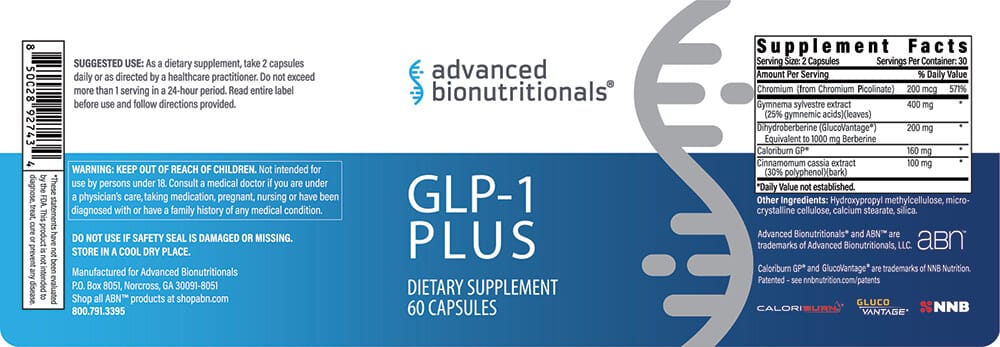
The label also lists hydroxypropyl methylcellulose, microcrystalline cellulose, calcium stearate, and silica as other ingredients.
CaloriBurn GP, a grains-of-paradise extract, is the active ingredient often left out. We treat the current label as the better source because that is what tells you what is in each serving.
Still, the mismatch is worth noting. Clear sales copy should match the bottle.
GLP-1 Plus vs. Ozempic and Wegovy: They Are Not the Same
No. Not even close.
Ozempic and Wegovy contain semaglutide. Mounjaro and Zepbound contain tirzepatide. These are prescription medicines with drug-level clinical trials, regulated doses, known side-effect profiles, and medical oversight.
GLP-1 Plus contains plant extracts, chromium, and a berberine-related compound. It does not contain semaglutide or tirzepatide. It is not a GLP-1 receptor agonist. The FDA does not approve dietary supplement products for safety or effectiveness before they are marketed.1
That does not make every supplement useless. It does mean the standard of proof is very different.
A fair way to frame it is this:
Prescription GLP-1 drugs: proven medical treatments for specific uses, with strong effects and real risks.
GLP-1 Plus: a dietary supplement with ingredient-level clues, uncertain product-level effects, and no drug equivalence.
If a medicine is right for you, a supplement name should not talk you out of proper care. Speak with a licensed clinician.
GLP-1 Plus Ingredients: What the Research Really Says
A polished ingredient list can look convincing. The harder question is whether the amount, format, and human evidence line up.
Here is the honest breakdown.
1. Chromium picolinate — 200 mcg
Chromium is a trace element found in foods and supplements. It may play a role in insulin action, although scientists still debate whether it should be classed as an essential nutrient. That makes strong weight-loss claims a poor fit for the evidence.
The National Institutes of Health reviewed chromium studies and found only a very small average effect on weight and body fat. The clinical value appears limited.2
The 200-microgram dose in GLP-1 Plus falls within the range used in many supplement studies. It should not be treated as a strong fat-loss tool.
Chromium may also raise the risk of low blood sugar when mixed with insulin or other diabetes medicines. It can reduce absorption of levothyroxine when taken at the same time.2
Evidence grade: Limited for meaningful weight loss.
2. Gymnema sylvestre extract — 400 mg
Gymnema has one of the best stories in the formula. Its Hindi name is often translated as “sugar destroyer.” Certain compounds in the plant can dull sweet taste when they touch taste receptors.
Small human trials found that Gymnema products reduced the desire for and intake of sweet foods. 3,4
That sounds like a direct hit on cravings. But there is an important catch.
The key studies used a mint or lozenge that dissolved in the mouth. GLP-1 Plus is a swallowed capsule. A capsule does not bathe your tongue in Gymnema before dessert. We cannot assume it will create the same fast “sugar tastes less exciting” effect.
Gymnema may have other actions after it is swallowed, but those claims need their own proof. It may also add to the effect of blood-sugar medicine.
Evidence grade: Promising for sweet-food control in a different delivery form; uncertain in this capsule.
3. Dihydroberberine as GlucoVantage — 200 mg
Dihydroberberine is a form related to berberine. The label says 200 milligrams is equivalent to 1,000 milligrams of berberine.
The strongest human clue is a small crossover pilot with five men. Dihydroberberine produced greater berberine exposure than standard berberine. In plain words, more reached the blood. But the study found no significant difference in glucose or insulin during the short test.5
That tells us something about absorption. It does not prove appetite control, weight loss, or a rise in human GLP-1.
A registered 54-person study is designed to test DHB’s effects on human GLP-1, appetite, and blood sugar. But when checked, the ClinicalTrials.gov record still listed the study as recruiting and posted no results. It also tests DHB by itself—200 milligrams for the first dose and 400 milligrams daily afterward—not the complete GLP-1 Plus formula.
Berberine research as a whole has limits. Studies use different products and doses, and many are small. The National Center for Complementary and Integrative Health says the weight evidence is hard to interpret. Berberine can cause stomach upset and interact with medicines. Because DHB raises berberine exposure, those cautions are relevant even though DHB-specific safety data remain limited. Berberine should not be used during pregnancy or while breastfeeding.6
Evidence grade: Better absorption looks plausible; product outcomes remain unproven.
4. CaloriBurn GP — 160 mg
CaloriBurn GP is a branded grains-of-paradise extract. Grains of paradise is a warming spice related to ginger.
Human studies suggest certain grains-of-paradise extracts may affect thermogenesis, brown fat activity, or selected fat measures.7,8,9
Three early studies enrolled only 9 to 19 people and used 30 or 40 milligrams.
A later 12-week trial enrolled 70 adults with overweight and reported changes in energy use, weight, BMI, and visceral fat. But it tested 500 milligrams per day of a different company-linked extract called AfperFit—not CaloriBurn GP or GLP-1 Plus.10
That is interesting evidence for the plant, not direct proof for this bottle. The 160-milligram amount in GLP-1 Plus is higher than the amounts in the three early trials but lower than the AfperFit trial’s daily amount. Dose alone cannot bridge the differences between extracts. We found no peer-reviewed trial of the exact 160-milligram CaloriBurn GP dose or the finished GLP-1 Plus blend.
Evidence grade: Early and interesting, but not strong enough for a firm weight-loss claim.
5. Cassia cinnamon extract — 100 mg
Cinnamon may support healthy glucose metabolism, but studies are mixed. The GLP-1 Plus label correctly identifies this as cassia cinnamon, not Ceylon cinnamon.
That difference matters. Cassia cinnamon can contain more coumarin, a natural compound that may be hard on the liver in sensitive people when exposure is high or prolonged. NCCIH advises caution for people with liver disease.11
The label lists 100 milligrams of extract standardized to 30% polyphenols. It does not state the amount of coumarin, so the label alone cannot tell us a user’s coumarin exposure. “Natural” does not mean interaction-free or safe for everyone.
Evidence grade: Mixed for metabolic support; not proven for weight loss in this formula.
Does GLP-1 Plus Work?
The most accurate answer is: it may help some people, but we cannot predict how much.
The formula is not random. Each ingredient has a reason for being there. A few have early human data tied to sweet intake, absorption, heat production, or metabolic markers.
But there are four gaps between “interesting ingredients” and “this product works”:
The full blend has not been proven. We found no published human clinical trial of the finished GLP-1 Plus formula.
Some studies used a different form. Gymnema mints touched the tongue. These capsules do not.
Some studies were tiny. A five-person absorption pilot cannot prove weight-loss results.
Markers are not outcomes. More heat production or better berberine exposure does not always lead to less hunger or visible fat loss.
So, could GLP-1 Plus make it a little easier to stick with a food plan? Perhaps. Is that guaranteed? No.
Your sleep, protein and fiber intake, stress, meals, movement, health conditions, and medicines can have a much bigger effect than one capsule blend.
What a realistic result would look like
A realistic win is not waking up ten pounds lighter.
It might look like:
fewer thoughts about sweets,
feeling satisfied a bit sooner,
less urge to graze after dinner,
or an easier time staying inside a planned meal routine.
Even those changes are not promised. If the product does nothing after a fair, clinician-approved trial, use the return policy instead of doubling the dose.
Why GLP-1 Plus Still Has Appeal
A lack of finished-product proof does not mean every buyer will get nothing. It means the outcome is uncertain.

GLP-1 Plus puts five different ingredients into one simple serving. The doses are shown. No caffeine appears on the label. You do not have to buy and manage five bottles. And the 90-day return promise gives you a way out if the product falls flat.
For some people, a modest change can still matter. One less snack each night may make a food plan feel easier. The product does not need to copy Ozempic to be useful. It does need to make your day easier enough to earn its $2.22 to $2.67 daily cost.
That is the fair test—not whether the scale drops overnight.
GLP-1 Plus Customer Reviews and Complaints
The official page still showed 18 reviews, a 3.6 out of 5 average, and a 67% recommendation rate when we last checked.
That is not a disaster. It is not a slam dunk either.
The page highlights selected positive comments about appetite, food choices, and weight. Yet the 3.6 average shows the full rating mix is not all five stars. The low-star review text was not visible in the page material we checked, so it would be unfair to invent or summarize those complaints.
The most useful buyer concerns we could verify are the high monthly cost, the lack of a finished-product trial, medicine-interaction risks, and the need to pay return postage.
There are two reasons not to lean too hard on the star score:
Eighteen reviews is a small sample.
Reviews on a seller’s own page are not the same as a controlled study.
In the sources we checked, there was not enough verified, independent, product-specific feedback to make customer stories a strong form of proof. Treat them as experiences, not forecasts.
GLP-1 Plus Price: What Does It Cost?
Here were the prices shown on the official page when checked:
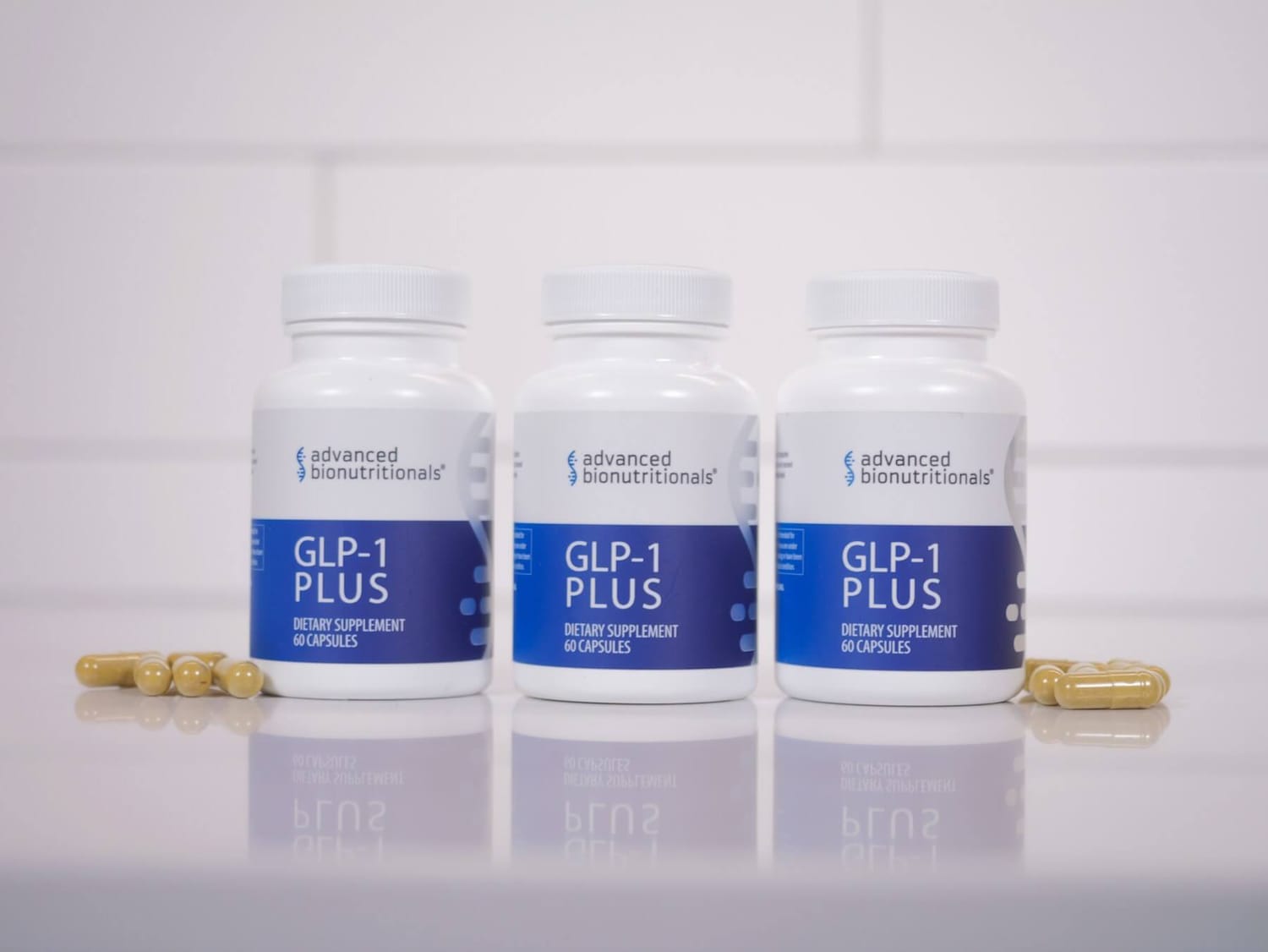
Each bottle holds 30 servings. Prices, taxes, and shipping offers can change.
The six-bottle pack has the lowest daily cost. But the cheapest bottle is not always the smartest first order. Check the medicine warnings and return terms before buying a long supply.
For a first-time buyer, the one-bottle option limits the upfront spend. The three-bottle option gives more time to judge a subtle result and currently cuts the unit price. Which one makes sense depends on your budget, medical fit, and comfort with the guarantee.
Where does GLP-1 Plus ship?
The seller’s affiliate information lists shipping to the United States, Canada, the United Kingdom, Australia, New Zealand, and Ireland. Availability and charges can change at checkout.
How the 90-Day GLP-1 Plus Guarantee Works
Advanced BioNutritionals advertises a 90-day money-back guarantee.
The current terms say you can return the bottles within 90 days for a full refund, including the original shipping and handling. The sales page says even empty bottles can be returned. You pay the cost to ship the return back.
Before ordering:
Read the live guarantee wording.
Save your order email.
Keep every bottle until you know you are satisfied.
Note the final return date on your calendar.
Contact customer service before mailing anything.
Use tracked return shipping and keep the receipt.
A guarantee does not make a formula effective. It does make trying an uncertain formula less risky if you follow the rules.
GLP-1 Plus Side Effects and Safety
No supplement is risk-free. GLP-1 Plus combines five active ingredients, so the interaction picture matters more than any one label promise.
Possible ingredient-related effects include:
stomach pain, nausea, constipation, or diarrhea,
headache or dizziness,
blood sugar dropping too low when combined with glucose-lowering medicine,
medicine interactions,
and possible liver concerns from long-term cassia cinnamon exposure in sensitive people.
Not everyone will have these effects. The problem is that the finished blend has not been well studied in humans, so its full side-effect rate is unknown.
Ask a clinician before use if you take:
insulin,
metformin or another diabetes medicine,
semaglutide, tirzepatide, or another prescription GLP-1 medicine,
levothyroxine,
cyclosporine,
or any daily prescription medicine.
Also get medical advice first if you have diabetes, low blood sugar, liver disease, kidney disease, a planned surgery, or another ongoing health condition.
Do not use GLP-1 Plus if:
you are pregnant or breastfeeding,
you are under 18,
a clinician has told you to avoid any ingredient,
the seal is damaged,
or you plan to use it instead of needed medical care.
Stop taking it and seek medical help if you have signs of a serious reaction, such as swelling, trouble breathing, fainting, severe weakness, yellow skin or eyes, or severe stomach pain.
Who GLP-1 Plus May Be Best For
GLP-1 Plus may suit an adult who:
struggles with between-meal snacking or sweet cravings,
wants a formula with no caffeine listed,
prefers clearly listed ingredient doses,
already has basic food, sleep, and movement habits in place,
understands that results may be modest or absent,
and has checked the formula with a qualified health professional.
It may be a poor fit for someone who:
wants results equal to a prescription drug,
expects the supplement to do all the work,
takes interacting medicines without medical guidance,
needs treatment for diabetes or obesity,
is pregnant, nursing, or under 18,
has a tight budget and would feel strained by an $80 monthly cost,
or is likely to forget the 90-day return window.
How to Use GLP-1 Plus Wisely
The bottle’s serving is two capsules daily. The official FAQ says to take them with water, either in the morning or before your largest meal. Do not take more than one serving in 24 hours.
If your clinician says the product is suitable, use a simple test instead of relying on a feeling.
Before day one
Write down:
how often you snack after dinner,
how strong sweet cravings feel on a 1-to-10 scale,
how often you feel out of control around food,
any stomach or energy symptoms,
and all medicines or supplements you take.
During the trial
Keep meals, sleep, and activity as steady as you can. That makes it easier to tell what changed. Track the same signs once a week.
Do not change a prescription medicine because a supplement seems to be working. Talk to the prescriber.
Before the guarantee ends
Ask three questions:
Is there a clear benefit I can name?
Is the benefit worth the daily cost?
Have I had any side effects or medicine concerns?
If the answer is no, no, or yes, act before the return deadline.
GLP-1 Plus Pros and Cons
Pros
Five disclosed active ingredients
No proprietary blend
No caffeine listed
Some early human evidence at the ingredient level
Dihydroberberine may improve berberine exposure
90-day return promise
Multi-bottle discount and free U.S. shipping on larger orders
Cons
No published trial found on the complete product
Not comparable to prescription GLP-1 drugs
Nearly $80 for one 30-day bottle
Mixed rating on the official page
Medicine and blood-sugar interaction concerns
Gymnema craving studies used a different delivery method
Sales-page ingredient count does not match the current label
Customer pays return postage
Is GLP-1 Plus Legit or a Scam?
GLP-1 Plus appears to be a real dietary supplement with a public label, disclosed doses, direct checkout, and written refund terms. Those are better signs than a mystery blend sold through a page with no company details.
But “legit product” does not mean “proven result.”
The name can make the supplement sound closer to GLP-1 medicine than it is. The finished formula lacks published human proof. A careful buyer should judge it as a supplement with promising parts—not as a natural Ozempic.
That is the line between fair interest and overhype.
Final GLP-1 Plus Review Verdict
The hardest part of weight control is often not knowing what to do. It is doing it while cravings keep tapping you on the shoulder.
GLP-1 Plus is built for that moment. Its transparent label and thoughtful ingredient mix give it more substance than many trend-chasing pills. Dihydroberberine, Gymnema, grains of paradise, chromium, and cassia cinnamon each have a reason to be there.
Still, the evidence stops short of the promise.
There is no published clinical trial showing that the finished product causes meaningful appetite control or weight loss. The best craving evidence for Gymnema comes from a mouth-dissolving form, not a capsule. The formula can also interact with medicines.
Bottom line: GLP-1 Plus is a cautious “consider,” not a must-buy. It may be worth trying for a medically cleared adult who wants modest support from a formula with no caffeine listed and accepts the chance of no result. It is not a substitute for Ozempic, Wegovy, Mounjaro, Zepbound, or professional care.
If that describes you, read the live label, price, and guarantee before deciding.
Frequently Asked Questions
What is GLP-1 Plus used for?
Advanced BioNutritionals markets it to support fullness, fewer cravings, healthy blood sugar already in the normal range, and metabolism. It is a dietary supplement, not a treatment for obesity or diabetes.
Does GLP-1 Plus contain semaglutide?
No. It does not contain semaglutide, tirzepatide, Ozempic, Wegovy, Mounjaro, or Zepbound. It is not a GLP-1 receptor agonist.
Does GLP-1 Plus really increase GLP-1?
The sales theory involves pathways linked with fullness and metabolism, but we found no published human trial showing that the complete GLP-1 Plus product produces a meaningful GLP-1 increase. Ingredient mechanisms and animal results are not product-level human proof.
How many ingredients are in GLP-1 Plus?
The current Supplement Facts label lists five active ingredients: chromium, Gymnema sylvestre, dihydroberberine, CaloriBurn GP, and cassia cinnamon. Some older reviews and the current FAQ describe four, which appears to be outdated or incomplete copy.
How do you take GLP-1 Plus?
The bottle’s serving is two capsules daily. The official FAQ says to take them with water, either in the morning or before your largest meal. One bottle provides 30 servings. Do not exceed one serving in 24 hours.
How long does one bottle last?
One bottle lasts 30 days when taken at the labeled serving of two capsules a day.
What are the main GLP-1 Plus side effects?
Possible ingredient-related effects include nausea, stomach upset, constipation, diarrhea, headache, dizziness, low blood sugar when paired with certain medicines, and drug interactions. The side-effect rate of the complete formula is not known from a published clinical trial.
Can I take GLP-1 Plus with Ozempic or another GLP-1 drug?
Do not combine them without guidance from the clinician who manages your prescription. Ingredients in GLP-1 Plus may affect blood sugar or cause overlapping stomach symptoms.
Is GLP-1 Plus FDA approved?
The FDA does not approve dietary supplement products for safety or effectiveness before they are marketed. Supplements are regulated under different rules from prescription medicines.1
How much does GLP-1 Plus cost?
When checked, one bottle was $79.95, three were $214.95, and six were $399.90. Check the official page for current prices and shipping.
Is there a GLP-1 Plus money-back guarantee?
The official offer advertises a 90-day return period. The customer pays return shipping. Read the live terms and keep your bottles, order email, and tracking receipt.
Where should I buy GLP-1 Plus?
The safest choice is the official Advanced BioNutritionals page, where you can check the current label, price, and return terms. Avoid marketplace listings with unclear storage, age, or seller details.
Sources and Research Notes
Dietary supplement disclaimer: These statements have not been evaluated by the Food and Drug Administration. This product is not intended to diagnose, treat, cure, or prevent any disease.
U.S. Food and Drug Administration. Questions and Answers on Dietary Supplements.
National Institutes of Health Office of Dietary Supplements. Chromium: Fact Sheet for Health Professionals.
Turner S, et al. Consuming Gymnema sylvestre Reduces the Desire for High-Sugar Sweet Foods. Nutrients. 2020.
The effect of a 14-day Gymnema sylvestre intervention to reduce sugar intake in people self-identifying with a sweet tooth. Appetite. 2025.
Moon JM, et al. Absorption Kinetics of Berberine and Dihydroberberine and Their Impact on Glycemia: A Randomized, Controlled, Crossover Pilot Trial. Nutrients. 2022.
National Center for Complementary and Integrative Health. Berberine and Weight Loss: What You Need to Know.
Sugita J, et al. Grains of paradise extract activates brown adipose tissue and increases whole-body energy expenditure in men. British Journal of Nutrition. 2013.
Sugita J, et al. Daily ingestion of grains of paradise extract increases whole-body energy expenditure and decreases visceral fat in humans. Journal of Nutritional Science and Vitaminology. 2014.
Yoneshiro T, et al. Prolonged Treatment with Grains of Paradise Extract Recruits Adaptive Thermogenesis and Reduces Body Fat in Humans with Low Brown Fat Activity. Journal of Nutritional Science and Vitaminology. 2021.
Sudeep HV, et al. Aframomum melegueta Seed Extract with Standardized Content of 6-Paradol Reduces Visceral Fat and Enhances Energy Expenditure in Overweight Adults. Drug Design, Development and Therapy. 2022. This study tested AfperFit, not CaloriBurn GP or GLP-1 Plus, and two authors were employed by the extract manufacturer.
National Center for Complementary and Integrative Health. Cinnamon: Usefulness and Safety.
NATURAL HEALTHIER YOU
Simple, practical health and weight-loss guidance for real life.
Natural Healthier You. All rights reserved. Content is for general informational purposes only and is not medical advice. Consult your healthcare provider before starting any diet or supplement. Some links on this site are affiliate links; we may earn a commission at no extra cost to you.