Free: 30 calorie-cutting recipes + a 7-day plan → Get the guide




6 Foods That May Help Support a Healthier Liver
By Matthew & the Natural Healthier You team
Your liver is one of the hardest-working organs in your body.
It helps process nutrients, stores energy, produces important proteins, and plays a major role in how your body handles substances you consume every day.
But modern eating habits can put considerable stress on the liver. Diets high in added sugar, highly processed foods, excess calories, and refined carbohydrates are associated with metabolic problems that can contribute to excess fat accumulating in the liver.
The good news is that your everyday food choices can make a difference.
In fact, there are several simple foods that researchers and health professionals have looked at for their potential role in supporting liver health.
Here are six worth knowing about.
1. Cruciferous Vegetables
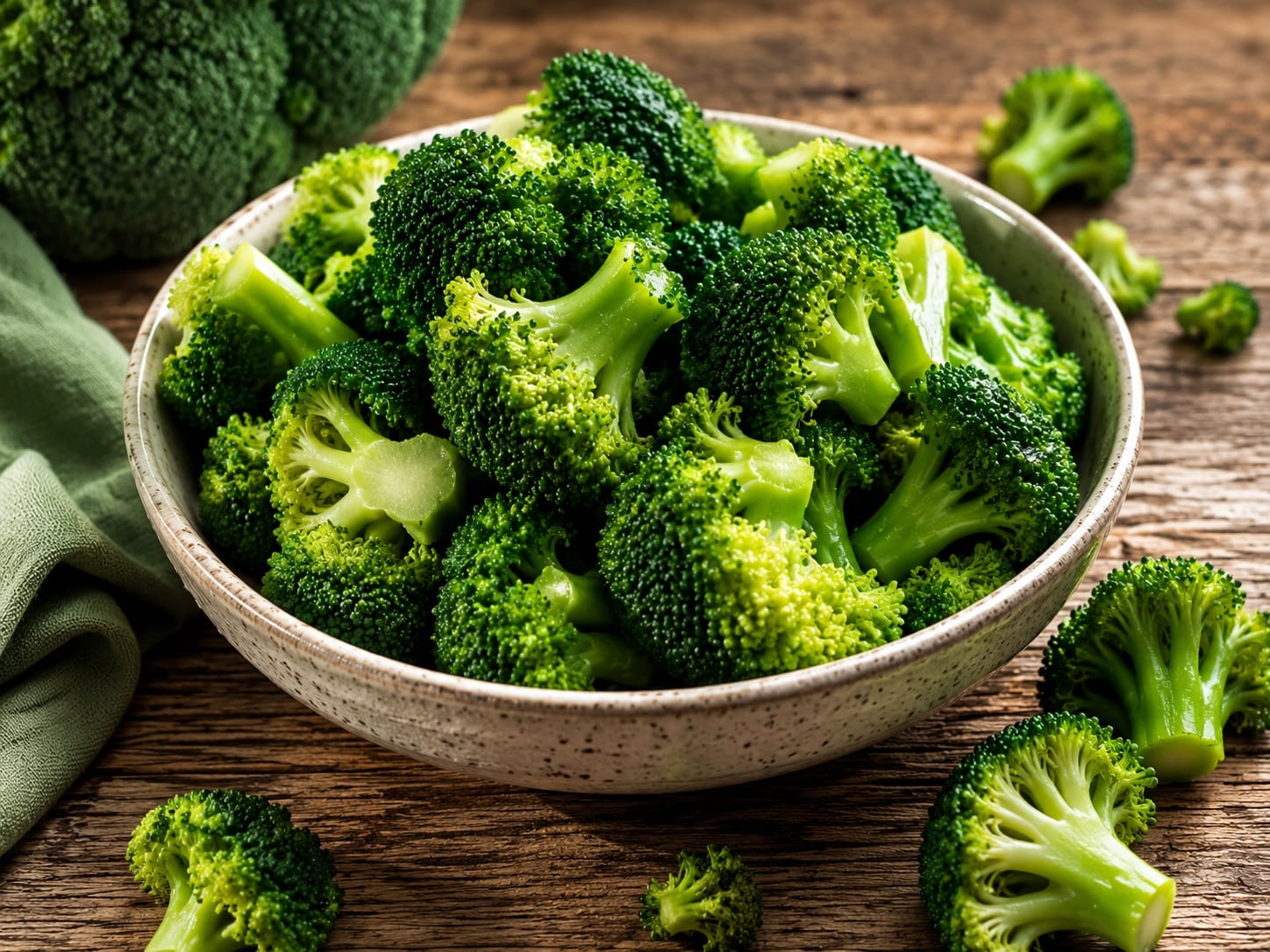
Broccoli, cauliflower, Brussels sprouts, cabbage, and similar vegetables are nutritional powerhouses.
These vegetables contain fiber and a variety of plant compounds that may support normal metabolic and liver function.
Broccoli is particularly interesting because research has investigated compounds found in cruciferous vegetables for their potential effects on liver fat and metabolic health.
The easiest way to add more to your diet?
Try roasted broccoli with dinner, shredded cabbage in a salad, cauliflower as a side dish, or Brussels sprouts with a little olive oil.
You don't need a complicated recipe.
Just getting more vegetables onto your plate is a good place to start.
2. Fatty Fish
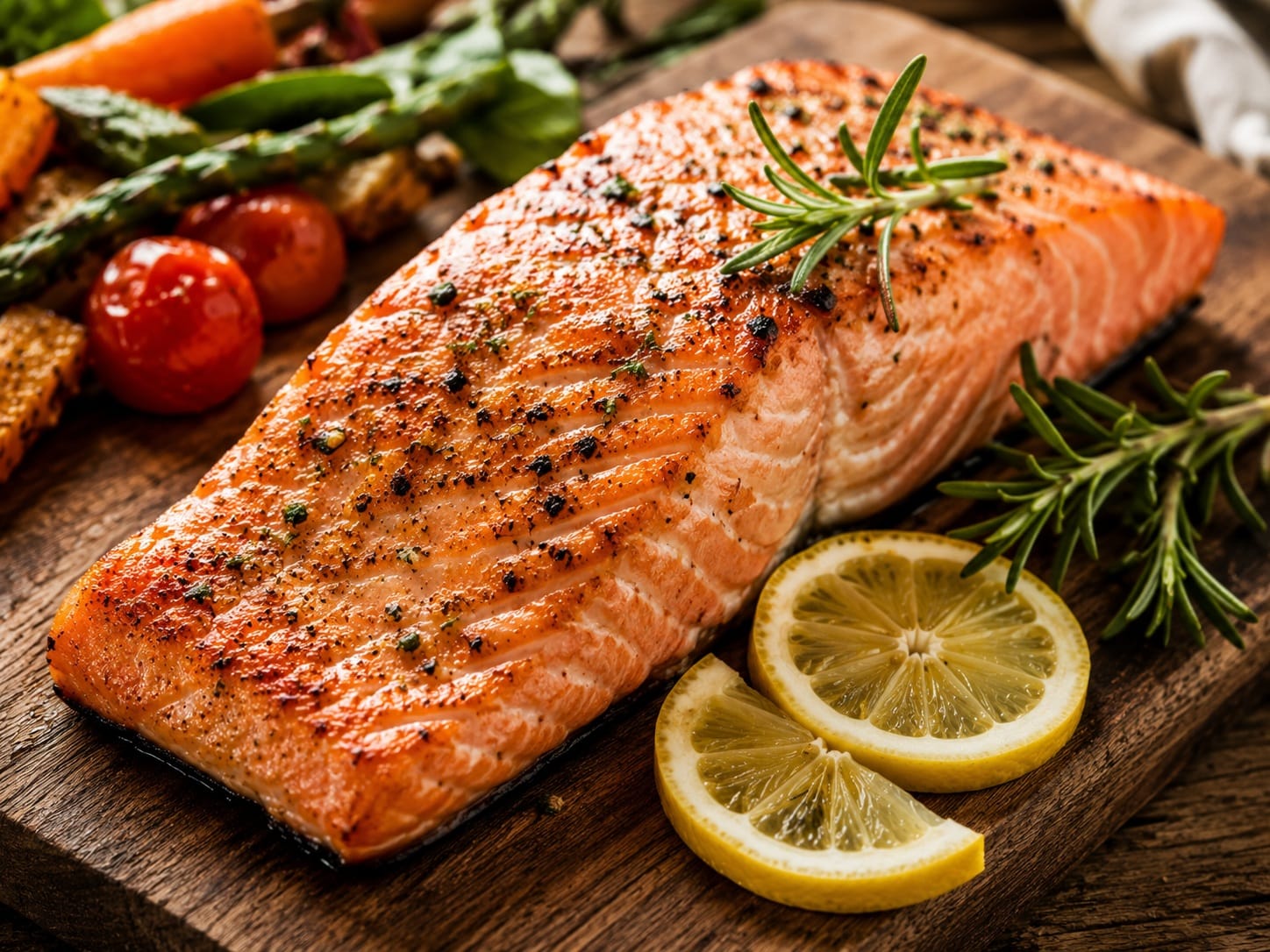
Salmon, sardines, trout, and other oily fish provide omega-3 fatty acids.
Omega-3s have been extensively studied for their effects on triglycerides, inflammation, and metabolic health.
That makes fatty fish an especially useful addition to a balanced diet for people who are trying to improve their overall metabolic health.
Try having fish a couple of times per week instead of making processed or heavily fried foods your main source of protein.
A simple grilled salmon with vegetables can be an easy liver-friendly meal.
3. Walnuts and Other Nuts
Nuts are another interesting addition to a liver-conscious diet.
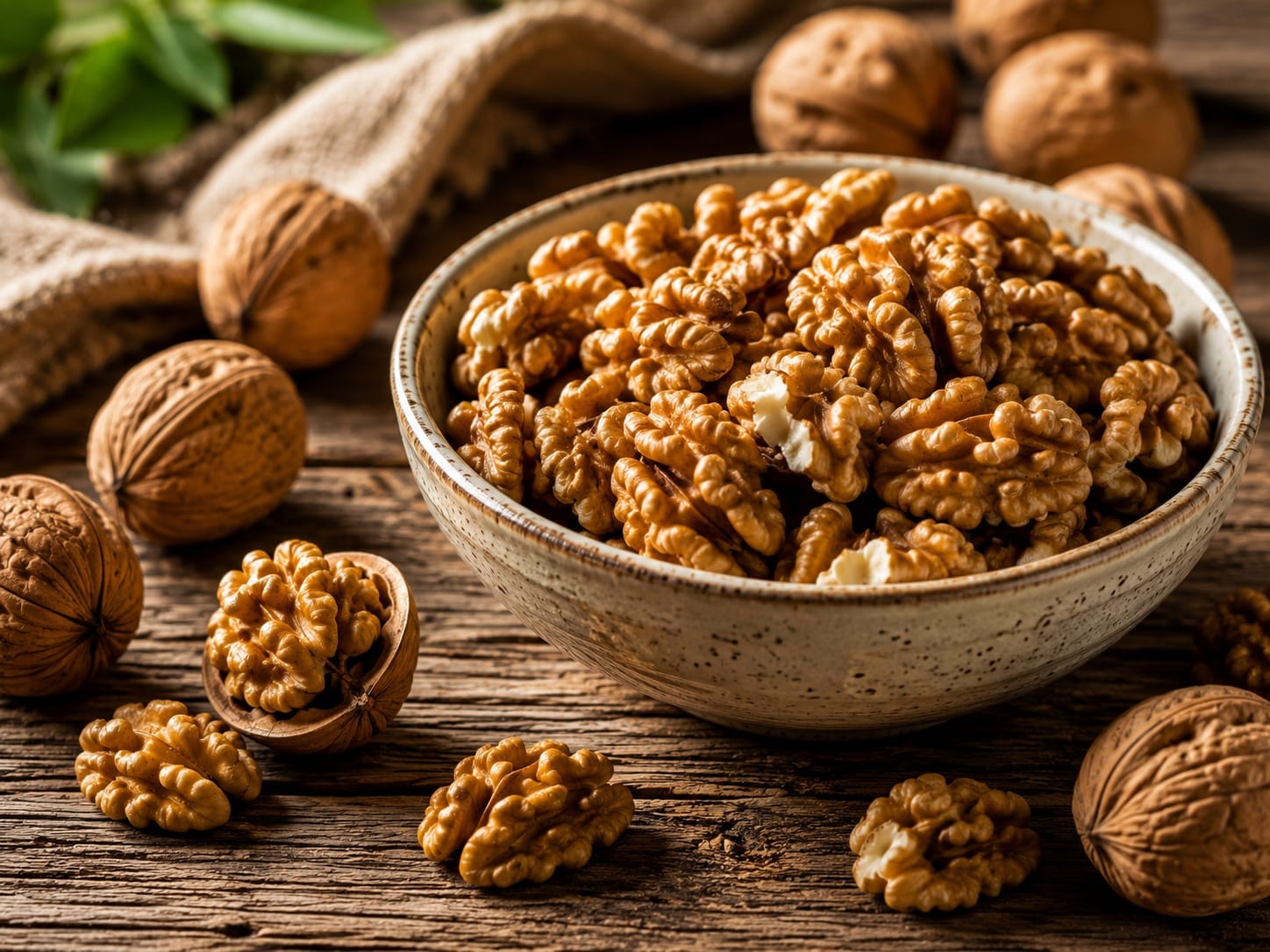
Walnuts provide unsaturated fats, fiber, and other nutrients. Observational research has associated nut consumption with better metabolic and cardiovascular health, although eating nuts alone isn't a treatment for fatty liver disease.
The key is portion size.
A small handful of walnuts or mixed nuts can make an easy snack without requiring much preparation.
You can also add chopped walnuts to oatmeal, yogurt, or a salad.
4. Olive Oil
Not all fats affect the body in the same way.
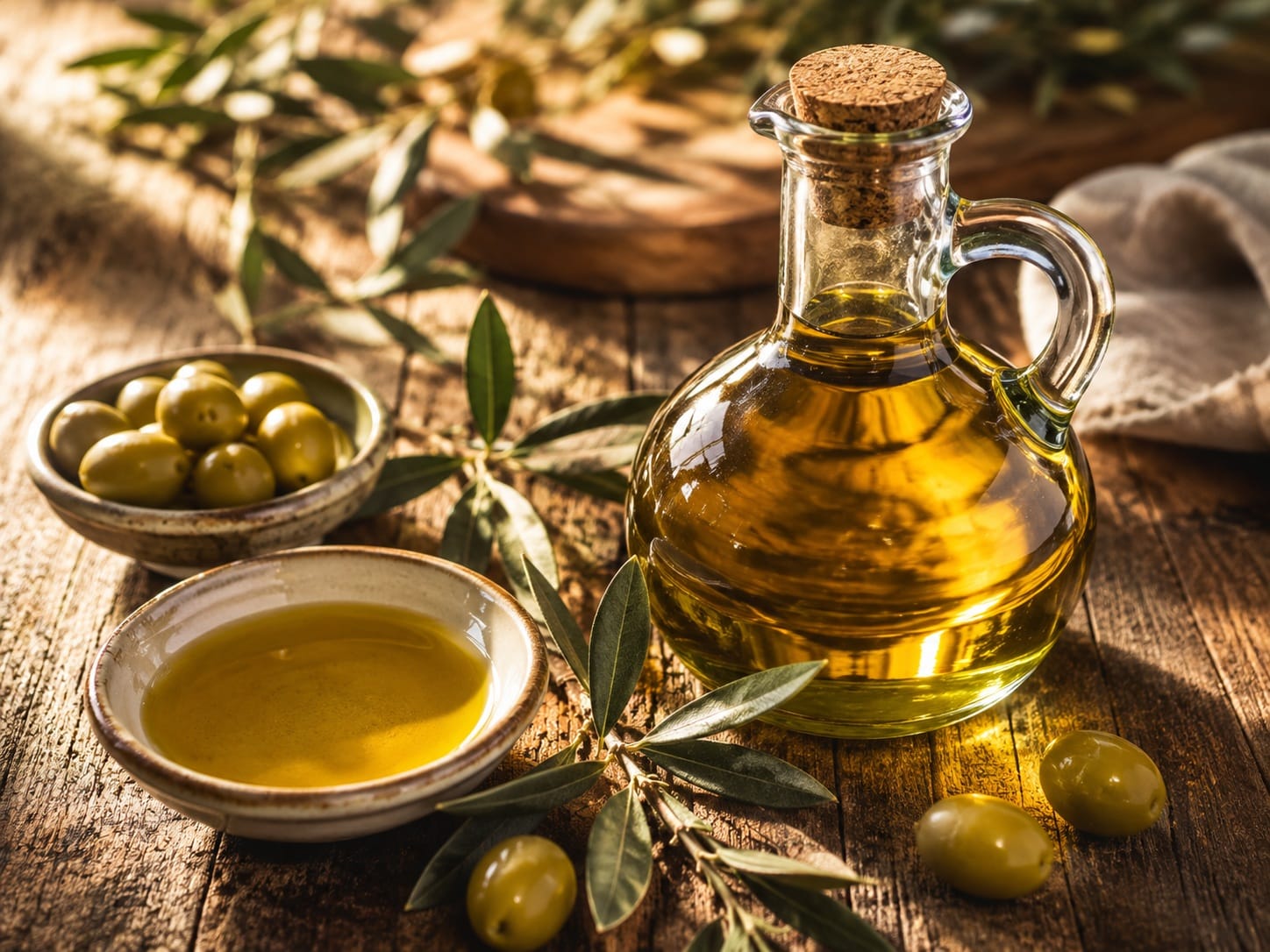
Extra-virgin olive oil is rich in monounsaturated fat and contains plant compounds with antioxidant properties.
It is a staple of Mediterranean-style eating patterns, which emphasize vegetables, legumes, whole foods, fish, nuts, and healthy fats.
Instead of relying heavily on butter or highly processed sauces, consider using olive oil as a dressing or cooking fat.
For example, combine olive oil with lemon juice, herbs, and a little pepper for a simple salad dressing.

5. Coffee
Here's one that may surprise you.
Coffee has been studied extensively in relation to liver health. Research has found associations between coffee consumption and a lower risk of several chronic liver conditions.
That doesn't mean you need to start drinking coffee if you don't enjoy it.
And loading coffee with large amounts of added sugar and high-calorie creamers can work against the dietary changes you're trying to make.
For people who already enjoy coffee, however, moderate consumption can fit comfortably into an overall healthy eating pattern.
If you have a medical condition or take medications that interact with caffeine, it's worth discussing your intake with your healthcare professional.
6. Fiber-Rich Foods
Fiber deserves a place on this list because it can help support overall metabolic health.
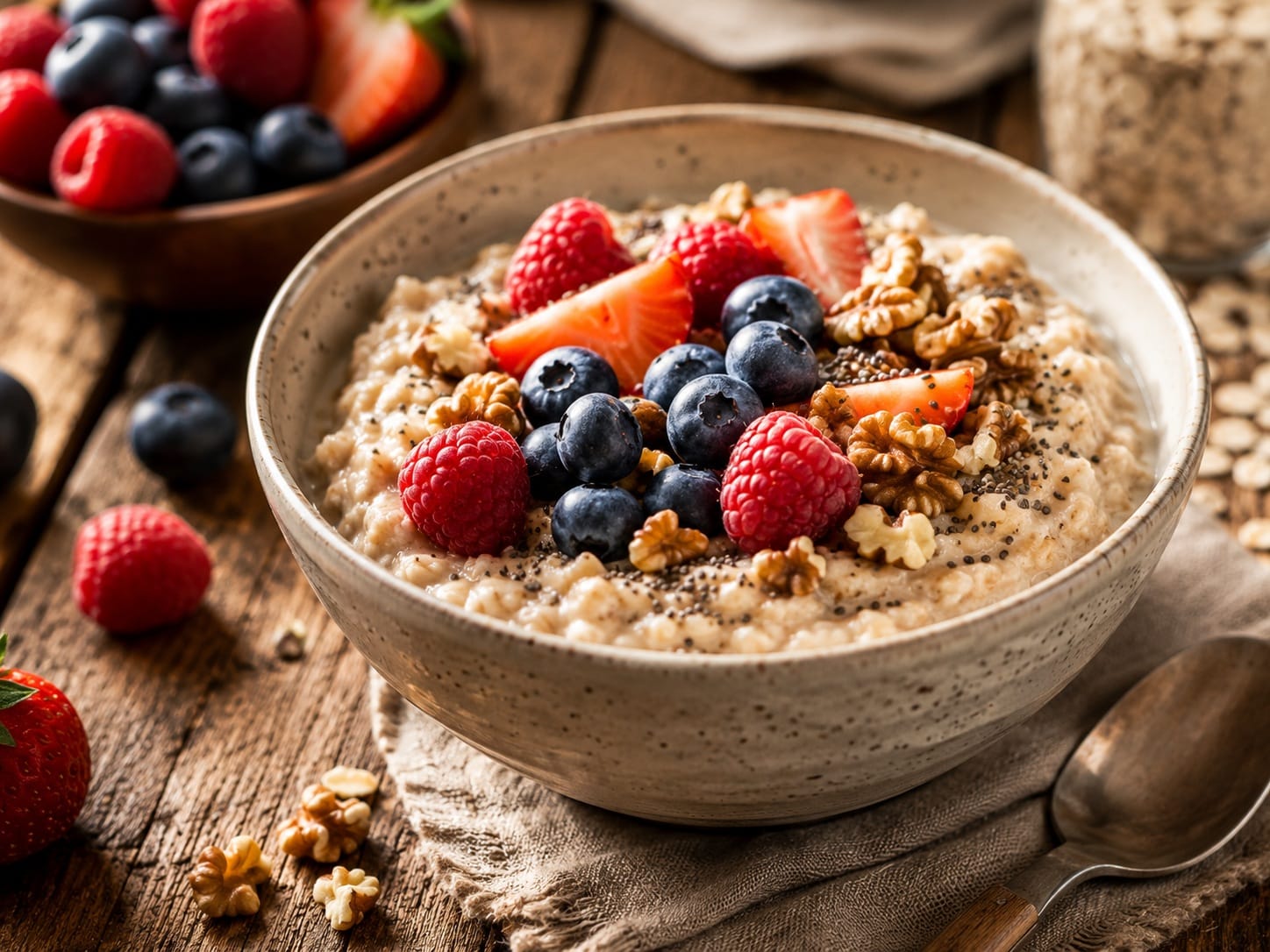
Vegetables, beans, lentils, oats, berries, nuts, seeds, and whole grains can all contribute fiber to your diet.
A higher-fiber eating pattern can also make meals more filling, which may make it easier to manage overall calorie intake and maintain a healthy weight.
And that matters because excess body weight and metabolic dysfunction are important risk factors for fatty liver disease.
Instead of looking for one magical food, think about building meals around several high-fiber ingredients.
For example:
Breakfast: oatmeal with berries and walnuts
Lunch: a large salad with vegetables, beans, olive oil, and grilled chicken
Dinner: salmon with roasted broccoli and another vegetable
Small changes like these can add up.
What About Fatty Liver?
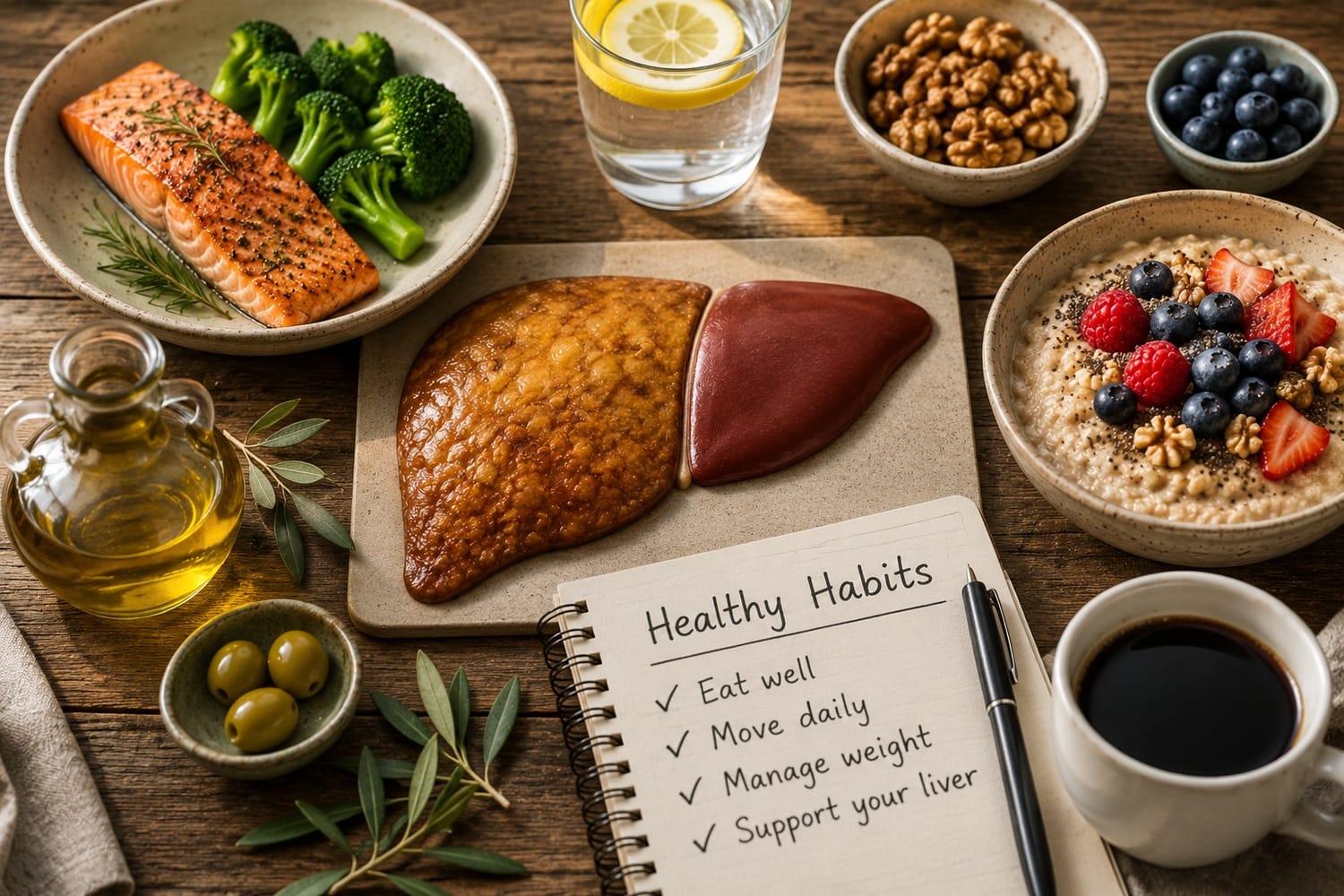
The term "fatty liver" generally refers to excess fat accumulating in the liver.
Metabolic dysfunction-associated steatotic liver disease (MASLD), formerly known as nonalcoholic fatty liver disease, is strongly associated with conditions such as obesity, insulin resistance, and metabolic syndrome.
Importantly, you don't develop or reverse fatty liver simply by adding one particular food to your diet.
There is no single "superfood" that can cleanse your liver overnight.
Instead, the bigger picture matters.
Research suggests that sustained weight loss, when appropriate, can significantly improve liver fat and other aspects of fatty liver disease. Physical activity and an overall nutritious eating pattern are also important parts of managing the condition.
That means the six foods above are best viewed as pieces of a bigger strategy, not a cure.
Foods to Eat Less Often
Adding nutritious foods is only half the equation.
It's also worth looking at what you're eating less often.
Highly processed foods, sugary beverages, excessive added sugars, and diets consistently high in calories can make it harder to improve metabolic health.
Consider gradually replacing:
Sugary sodas with water or unsweetened beverages
Highly processed snacks with nuts or fruit
Refined carbohydrates with higher-fiber alternatives
Deep-fried foods with grilled or baked options
Highly processed desserts with fruit or other minimally processed choices
You don't have to change everything overnight.
Consistency is generally more important than perfection.
The Bigger Picture
If you're concerned about your liver, don't fall into the trap of searching for a single ingredient that promises to "detox" or "cleanse" it.
Your liver already has sophisticated systems for processing substances and maintaining your body's internal balance.
The more useful question is:
What can I consistently do to support my overall metabolic and liver health?
That might mean eating more vegetables, choosing fish and nuts more often, using olive oil, increasing fiber, limiting sugary drinks, exercising regularly, and working toward a healthy weight if appropriate.
And if you've been diagnosed with fatty liver disease, don't rely on food changes alone. Talk with your healthcare professional about your specific situation and whether you need testing or additional treatment.
Watch the Video
Want to learn more about the foods discussed in the video?
The most important takeaway isn't that one food can magically repair your liver.
It's that small, consistent improvements in the foods you eat can become part of a much healthier overall lifestyle.
This article is for educational purposes only and is not medical advice. If you have been diagnosed with liver disease, speak with a qualified healthcare professional about your individual treatment and nutrition needs.
NATURAL HEALTHIER YOU
Simple, practical health and weight-loss guidance for real life.
Natural Healthier You. All rights reserved. Content is for general informational purposes only and is not medical advice. Consult your healthcare provider before starting any diet or supplement. Some links on this site are affiliate links; we may earn a commission at no extra cost to you.